You decide to get serious about losing weight.
For the first few days, everything feels manageable. Breakfast is smaller, lunch is lighter, and you're motivated by the number on the scale moving in the right direction.
Then something changes.
By mid-afternoon, you're staring at the office snack drawer. Later that evening, you're standing in front of the refrigerator wondering why you're still hungry despite eating what seemed like a healthy dinner. A few hours later, you're reaching for chips, cookies, or whatever is easiest to grab.
Sound familiar?
This is where many weight loss plans fall apart. The problem isn't always a lack of discipline. In many cases, it's a lack of protein.
Protein is the most filling macronutrient. It helps you stay satisfied longer, supports muscle maintenance during weight loss, and requires more energy for your body to digest compared to carbohydrates and fats. That's why high-protein meal plans have become one of the most effective approaches for people who want to lose fat without constantly feeling hungry.
Let's look at how a high-protein meal plan works, why it can accelerate weight loss, and what a full day of eating might look like.
Why Protein Matters for Weight Loss
Many traditional diets focus almost entirely on reducing calories. While calorie balance matters, the quality of those calories also plays a major role in your results.
Imagine two lunches.
The first is a large bowl of white pasta with a creamy sauce.
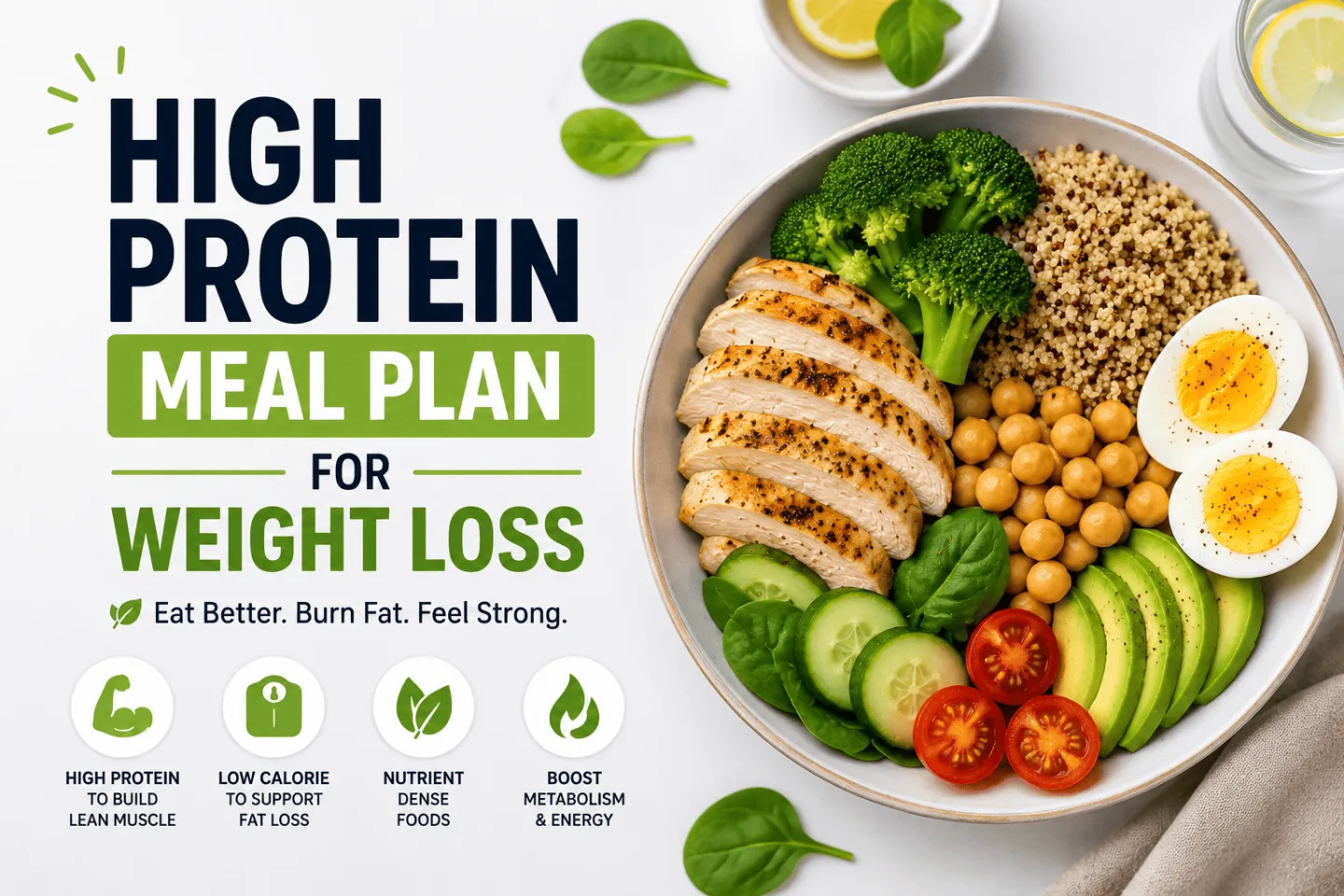
The second is grilled chicken breast, vegetables, and a serving of rice.
Both meals may contain a similar number of calories, but most people will feel full much longer after the second meal. That's because protein sends stronger satiety signals to your brain.
When you're satisfied for longer periods, you naturally consume fewer calories throughout the day. You spend less time fighting cravings and more time focusing on your goals.
Another advantage is muscle preservation.
When people lose weight quickly, they often lose both fat and muscle. Losing muscle can slow your metabolism over time. A high-protein diet helps protect lean muscle tissue, especially when combined with regular exercise.
This means a greater percentage of the weight you lose comes from body fat rather than valuable muscle mass.
How Much Protein Do You Need?
The ideal amount depends on factors such as age, activity level, body weight, and goals.
For people trying to lose weight while maintaining muscle, many nutrition experts recommend consuming between 1.6 and 2.2 grams of protein per kilogram of body weight daily.
For example:
- A 60 kg person may aim for 96 to 132 grams of protein per day.
- A 75 kg person may aim for 120 to 165 grams per day.
- A 90 kg person may aim for 144 to 198 grams per day.
You don't need to hit an exact number every single day. The goal is to consistently prioritize protein-rich foods at each meal.
Best High-Protein Foods for Fat Loss
Not all protein sources are created equal.
Some provide large amounts of protein with relatively few calories, making them ideal for weight loss.
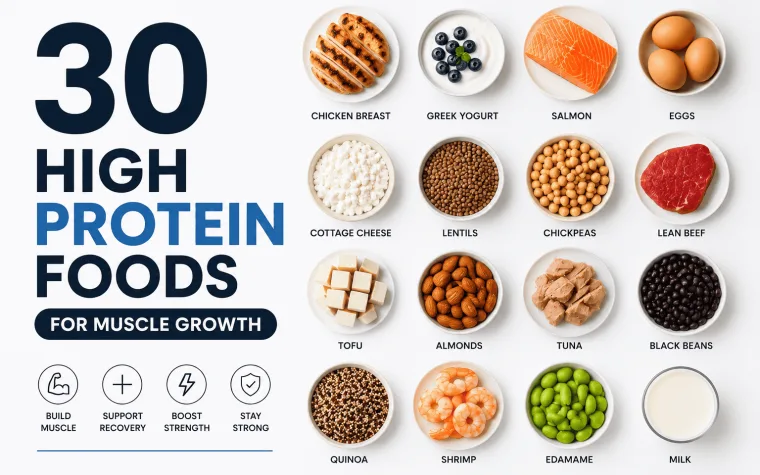
Lean Animal Proteins
- Chicken breast
- Turkey breast
- Lean beef
- Tuna
- White fish
- Shrimp
- Eggs and egg whites
Dairy-Based Proteins
- Greek yogurt
- Cottage cheese
- Low-fat milk
- Protein shakes
Plant-Based Proteins
- Lentils
- Chickpeas
- Tofu
- Tempeh
- Edamame
- Beans
- Quinoa
Combining several protein sources throughout the day helps provide a broader range of nutrients while keeping meals interesting.
Sample High-Protein Meal Plan for Weight Loss
Here's an example of a balanced high-protein meal plan that provides plenty of protein while keeping calories under control.
Breakfast
Protein Oatmeal Bowl
- 1 cup oats
- 1 scoop protein powder
- 1 tablespoon chia seeds
- Fresh berries
Approximate protein: 30 grams
Starting your day with protein helps reduce hunger later in the day. Many people notice fewer cravings during the afternoon when breakfast includes adequate protein.
Mid-Morning Snack
Greek Yogurt and Almonds
- 200 grams Greek yogurt
- Small handful of almonds
Approximate protein: 20 grams
This combination provides both protein and healthy fats, helping maintain energy levels between meals.
Lunch
Grilled Chicken Rice Bowl
- 150 grams grilled chicken breast
- Brown rice
- Mixed vegetables
- Light dressing
Approximate protein: 40 grams
This meal offers an excellent balance of protein, fiber, and carbohydrates. The vegetables add volume without adding excessive calories.
Afternoon Snack
Cottage Cheese and Apple
- Cottage cheese
- One medium apple
Approximate protein: 15 grams
Many people underestimate how filling cottage cheese can be. It's one of the most protein-dense snacks available.
Dinner
Salmon and Vegetables
- 150 grams baked salmon
- Roasted vegetables
- Small serving of sweet potato
Approximate protein: 35 grams
Salmon provides high-quality protein while also delivering omega-3 fatty acids that support overall health.
Daily Total
Approximate protein intake: 140 grams
This amount works well for many individuals pursuing fat loss while maintaining muscle.
Common Mistakes People Make
A high-protein meal plan can be extremely effective, but several mistakes can limit results.
Eating Too Little Overall
Some people become so focused on weight loss that they drastically reduce calories.
This often leads to fatigue, poor workout performance, and increased cravings. Sustainable fat loss comes from a moderate calorie deficit, not starvation.
Ignoring Vegetables
Protein is important, but vegetables still deserve a place on your plate.
Vegetables provide fiber, vitamins, minerals, and additional fullness with very few calories.
Relying Only on Protein Shakes
Protein shakes are convenient, but they shouldn't replace most whole-food protein sources.
Chicken, fish, eggs, dairy products, legumes, and lean meats provide additional nutrients that supplements cannot fully replicate.
Not Drinking Enough Water
Increasing protein intake can increase your body's need for hydration.
Aim to drink water consistently throughout the day, especially if you're physically active.
Can You Build Muscle While Losing Weight?
In some situations, yes.
People who are new to resistance training, returning after a long break, or carrying higher levels of body fat may be able to lose fat and gain muscle simultaneously.
A high-protein meal plan increases the likelihood of this happening because it provides the building blocks your body needs for muscle repair and growth.
Strength training also plays a critical role.
Even simple exercises such as squats, push-ups, rows, and resistance training sessions can help preserve muscle while you're losing weight.
Tips for Staying Consistent
Most successful weight loss journeys are built on consistency rather than perfection.
A few practical strategies can make a huge difference:
Prepare Meals in Advance
Cooking protein sources in bulk can save hours during busy weeks.
Many people prepare chicken, rice, vegetables, and snacks for several days at once.
Include Protein in Every Meal
Instead of trying to consume all your protein at dinner, spread it throughout the day.
This helps maximize fullness and makes your target easier to achieve.
Choose Foods You Actually Enjoy
A meal plan only works if you can follow it.
If you dislike tuna, don't force yourself to eat tuna. If you prefer chicken, eggs, or Greek yogurt, build your plan around those foods.
Focus on Progress, Not Perfection
One high-calorie meal won't ruin your results.
The people who succeed long term are usually the ones who return to their healthy habits quickly instead of giving up after a setback.
Final Thoughts
A high-protein meal plan is one of the most effective and sustainable approaches for weight loss. It helps control hunger, supports muscle preservation, and makes it easier to maintain a calorie deficit without feeling constantly deprived.
The biggest advantage isn't some secret metabolic trick. It's the fact that protein helps you stay satisfied.
When you're not battling cravings every hour, healthy eating becomes much easier.
Start by adding a quality protein source to every meal. Build your meals around lean proteins, vegetables, whole grains, and healthy fats. Stay consistent, be patient with the process, and focus on habits you can maintain long term.
Weight loss doesn't have to mean eating less and suffering more.
Sometimes the smarter approach is simply eating more protein.