Walk into any gym and you'll probably hear someone talking about protein.
One person is drinking a protein shake after finishing a workout. Another is eating chicken and rice from a meal prep container. Someone else is debating whether eggs or Greek yogurt make a better breakfast.
It's easy to see why protein gets so much attention.
Muscles don't grow just because you lift weights. Training creates the stimulus, but nutrition provides the building blocks your body needs to repair and build stronger muscle tissue. Without enough protein, even the best workout program can produce disappointing results.
The good news is that hitting your daily protein target doesn't mean eating plain chicken every day. There are dozens of excellent protein sources that fit different budgets, tastes, and lifestyles.
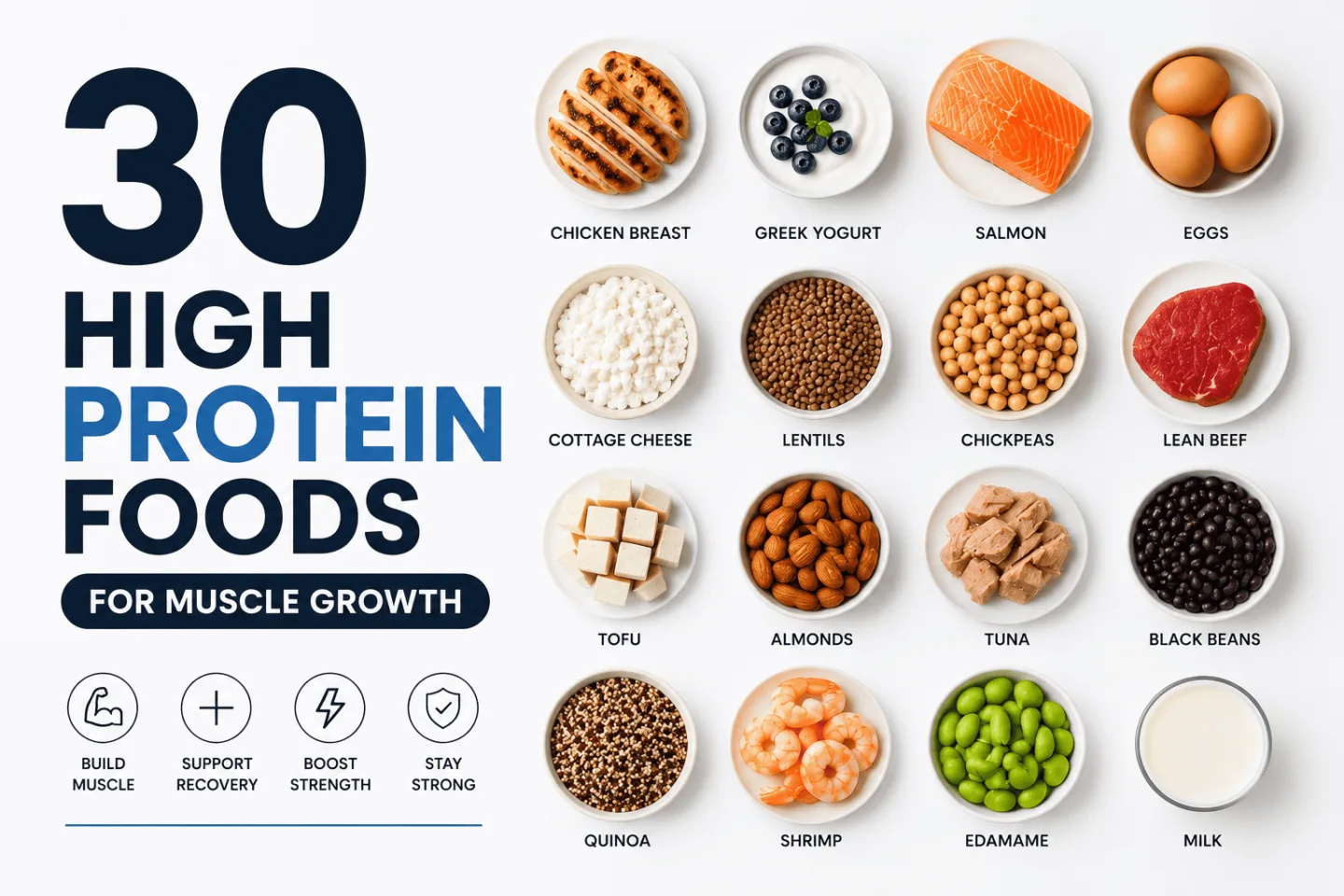
Here are 30 high-protein foods that can help support muscle growth.
Why Protein Is Important for Muscle Growth
Every strength workout creates tiny tears in your muscle fibers.
Your body repairs those fibers during recovery, making them stronger than before. Protein supplies the amino acids needed for this repair process.
Protein also helps:
- Build lean muscle mass
- Support workout recovery
- Reduce muscle breakdown
- Increase fullness after meals
- Maintain muscle during fat loss
Most active people aiming to build muscle benefit from consuming protein throughout the day instead of eating most of it in one meal.
Animal-Based High Protein Foods
1. Chicken Breast
Approximate protein: 31g per 100g
Chicken breast remains one of the most popular muscle-building foods because it's lean, affordable, and versatile.
2. Turkey Breast
Approximate protein: 30g per 100g
Turkey provides high-quality protein while remaining relatively low in fat.
3. Lean Beef
Approximate protein: 26g per 100g
Lean beef supplies protein along with iron, zinc, and vitamin B12.
4. Salmon
Approximate protein: 25g per 100g
Besides protein, salmon provides omega-3 fatty acids that support overall health.
5. Tuna
Approximate protein: 29g per 100g
Canned tuna is convenient, inexpensive, and easy to add to salads or sandwiches.
6. Shrimp
Approximate protein: 24g per 100g
Shrimp is naturally low in calories while providing plenty of protein.
7. Cod
Approximate protein: 23g per 100g
Cod is a mild-flavored white fish that works well for high-protein meals.
8. Sardines
Approximate protein: 25g per 100g
These small fish are rich in protein, healthy fats, and calcium.
9. Eggs
Approximate protein: 6g per large egg
Eggs contain all nine essential amino acids, making them a complete protein source.
10. Egg Whites
Approximate protein: 11g per 100g
Egg whites provide nearly pure protein with very little fat.
Dairy Protein Sources
11. Greek Yogurt
Approximate protein: 17 to 20g per serving
Greek yogurt works well for breakfast or as a post-workout snack.
12. Cottage Cheese
Approximate protein: 28g per cup
It's rich in casein protein, which digests slowly and provides a steady supply of amino acids.
13. Milk
Approximate protein: 8g per cup
Milk contains both whey and casein protein.
14. Parmesan Cheese
Approximate protein: 10g per ounce
A small amount adds plenty of protein and flavor.
15. Low-Fat Cheese
Approximate protein: 6 to 8g per slice
Choose lower-fat options if you're watching calorie intake.
Plant-Based High Protein Foods
16. Lentils
Approximate protein: 18g per cooked cup
Lentils are rich in protein, fiber, and iron.
17. Chickpeas
Approximate protein: 15g per cooked cup
Great for salads, curries, or homemade hummus.
18. Black Beans
Approximate protein: 15g per cooked cup
They provide both protein and complex carbohydrates.
19. Kidney Beans
Approximate protein: 15g per cooked cup
A nutritious addition to soups and chili.
20. Edamame
Approximate protein: 18g per cooked cup
Edamame is one of the highest-protein plant foods available.
21. Tofu
Approximate protein: 20g per cup
Tofu absorbs flavors well and works in many different recipes.
22. Tempeh
Approximate protein: 30g per cup
Tempeh contains even more protein than tofu and has a firmer texture.
23. Quinoa
Approximate protein: 8g per cooked cup
Unlike many grains, quinoa contains all essential amino acids.
24. Pumpkin Seeds
Approximate protein: 9g per ounce
These seeds also provide magnesium, which supports muscle function.
25. Peanuts
Approximate protein: 7g per ounce
Peanuts make an easy, portable snack between meals.
Convenient High Protein Options
26. Whey Protein Powder
Approximate protein: 20 to 30g per scoop
Ideal when you need a quick source of protein after training.
27. Protein Bars
Approximate protein: 15 to 25g each
Look for options with lower added sugar and recognizable ingredients.
28. Beef Jerky
Approximate protein: 10 to 15g per ounce
A convenient travel-friendly snack.
29. Canned Chicken
Approximate protein: 20g per serving
Perfect for quick lunches or meal prep.
30. Protein Pasta
Approximate protein: 18 to 20g per serving
Made from chickpeas, lentils, or other legumes, protein pasta contains significantly more protein than traditional pasta.
How Much Protein Do You Need?
Your ideal protein intake depends on your body weight and activity level.
For muscle growth, many active adults aim for approximately 1.6 to 2.2 grams of protein per kilogram of body weight each day.
For example:
- 60 kg: 96 to 132g
- 70 kg: 112 to 154g
- 80 kg: 128 to 176g
- 90 kg: 144 to 198g
Instead of eating all your protein at dinner, try spreading it across three to five meals throughout the day.
Sample High-Protein Day
Breakfast
Greek yogurt with berries and chia seeds
Protein: 25g
Snack
Protein shake
Protein: 25g
Lunch
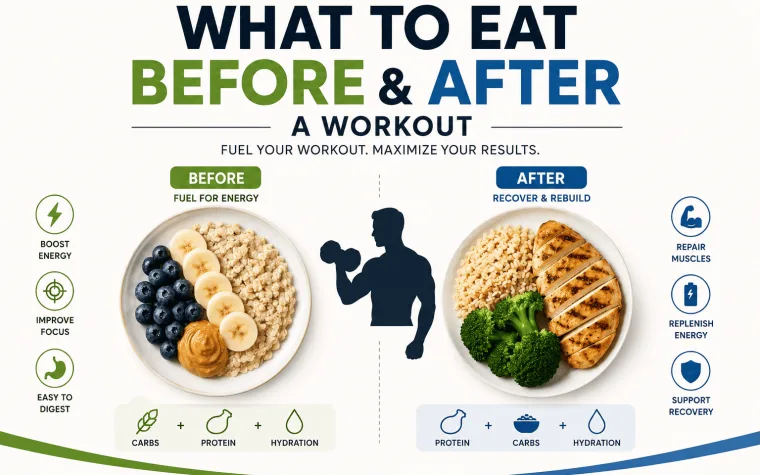
Grilled chicken, brown rice, and vegetables
Protein: 40g
Snack
Cottage cheese and almonds
Protein: 25g
Dinner
Salmon with sweet potato and broccoli
Protein: 40g
Daily Total: Approximately 155g of protein
Common Mistakes
Eating Too Little Protein
Many people think they're eating enough protein until they actually track it for a few days.
Depending Only on Supplements
Protein powder is helpful, but most of your protein should come from whole foods.
Ignoring Overall Nutrition
Protein matters, but so do carbohydrates, healthy fats, vitamins, minerals, sleep, and consistent training.
Skipping Meals
Missing meals can make it difficult to reach your daily protein target.
Final Thoughts
Building muscle isn't about finding one magical food.
It's about consistently eating enough high-quality protein while following a well-designed strength training program.
Chicken, eggs, Greek yogurt, salmon, lentils, tofu, cottage cheese, lean beef, and dozens of other foods can all help you reach your protein goals.
Instead of trying to eat perfectly every day, focus on making protein a regular part of every meal.
Those small choices add up.
Over weeks and months, they provide your body with the nutrients it needs to recover, grow stronger, and support long-term muscle development.