





AI Meal Plan Generator

Make Meal Plans Smarter. Free AI Meal Planner.

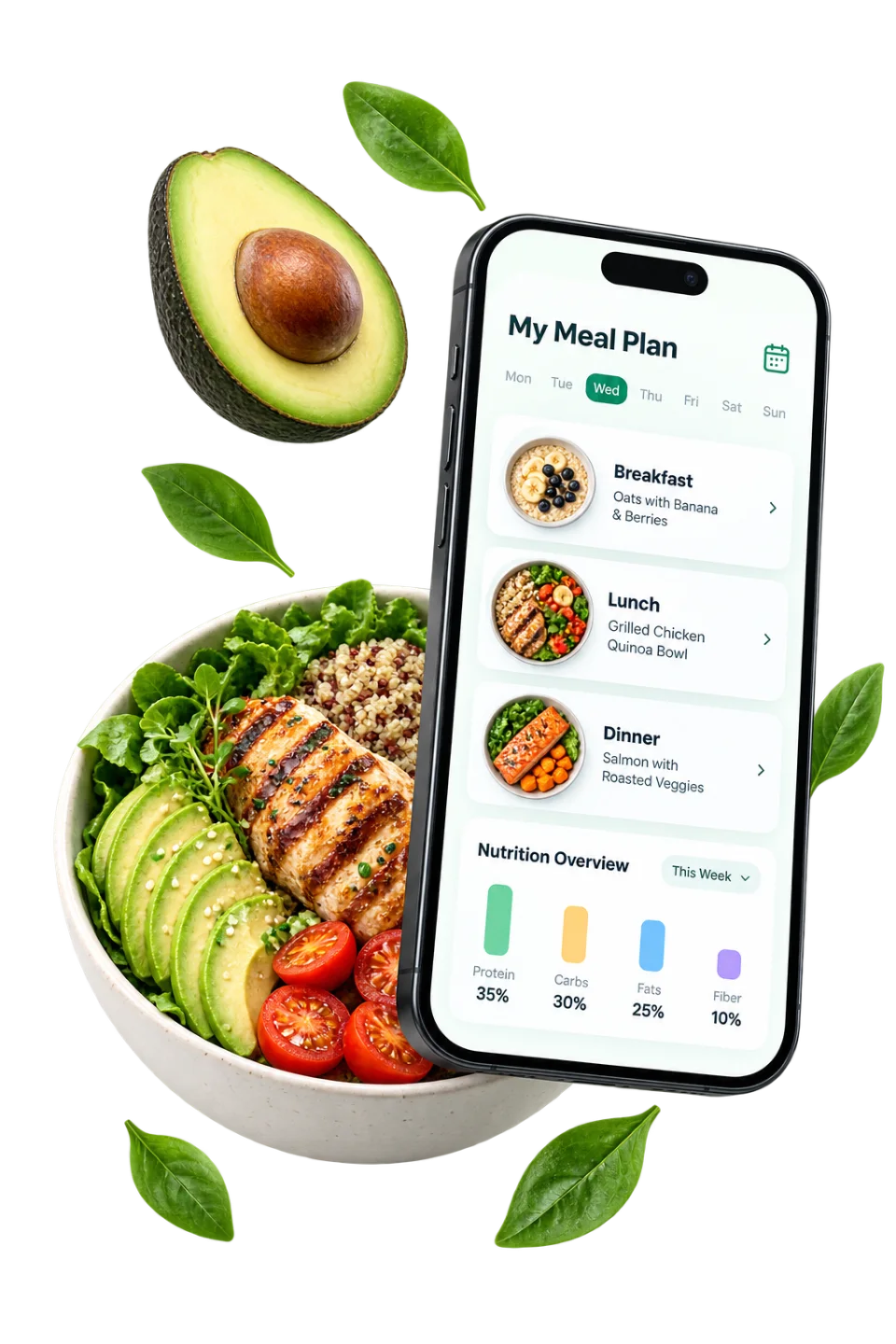
Experience the future of healthy eating. Our AI Meal Plan Generator creates personalized, nutrition-rich menus that adapt perfectly to your goals and taste.

MakeMealPlan User Review Avatar MakeMealPlan Active User Profile MakeMealPlan Customer Avatar
Trusted by 24,000+ food lovers
AI Macro Match
PROTEIN 145g
CARBS 210g
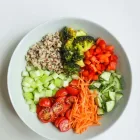
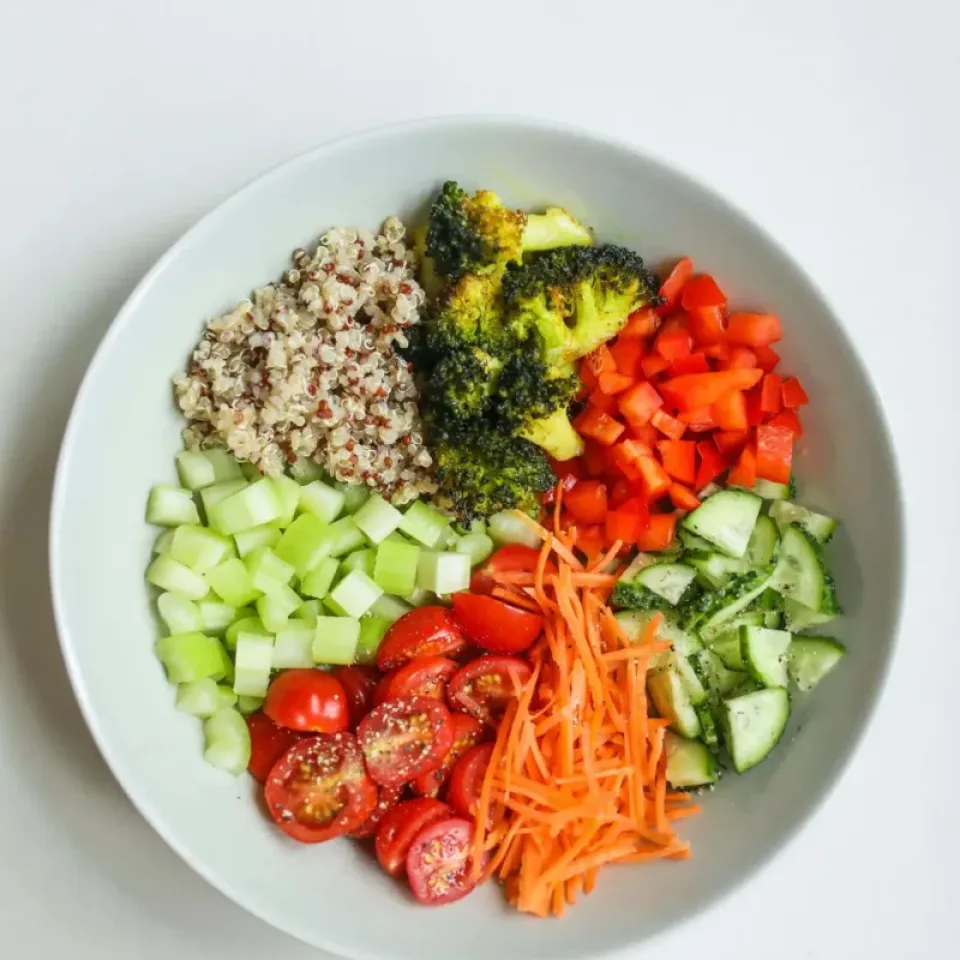
AI Meal Planner Healthy Quinoa Bowl
Top Goal Match
Quinoa Harvest Bowl
420 kcal
Practical & Scientific

The Science of
Personalized Nutrition.

We don't believe in guesswork. We use the gold-standard Mifflin-St Jeor formula to calculate your needs, paired with AI that understands your life.

01
Step 01

Metabolic Analysis

We input your biological data into verified formulas to find your exact caloric baseline and optimal macro distribution.

02
Step 02

AI Weekly Meal Plan Generation

Our AI engine filters millions of ingredient combinations to build a cohesive full-week menu that matches your goals.

03
Step 03

Actionable Shopping Lists & Meal Prep

Get your personalized shopping list, easy recipes, and daily check-ins. No more guesswork, just pure progress.

Elite Benefits

Why Choose Our
Free AI Meal Plan Generator.

Forget manual tracking. Experience a clinical-grade nutrition assistant that fits in your pocket and actually works for you.

Precision Nutrition

Our AI goes beyond calorie counting. It adapts to your unique metabolism, dietary restrictions, and taste preferences.

Lightning Fast

Get your 7-day optimized plan in under 30 seconds. Powered by our proprietary nutrient matching algorithm.

Save Money

Smart shopping lists reduce waste and impulse buys, saving users $150/month on average.

Mobile Mastery

Access your 7-day meal plan, recipes, and dynamic shopping lists anywhere. Sync across all your devices.

Scientific Precision

Calculate Your Perfect
Macros & Calories.

Protein, carbs, and fats aren't just numbers—they're the fuel for your success. We handle the complex math so you can focus on the results.

Protein

Muscle repair & growth

30%
Optimal split 25-35%

Energy

Primary metabolic fuel

50%
Optimal split 45-55%

Recovery

Hormonal & cellular health

20%
Optimal split 20-30%

How our algorithms
Master the Math.

We start with the Mifflin-St Jeor formula, backed by decades of clinical research. Then our AI adds your activity level, daily movement, and body goals. The result is a plan that evolves with you.

BMR Baseline
Activity Index
Goal Targets
Macro Split
Verified Impact

Trusted by
Thousands.

Hear from real individuals who transformed their relationship with food and achieved clinical-grade results through personalized planning.

"
Sarah
Sarah Mitchell
Metabolic Success

"I've tried so many meal planning apps, but none compare to MakeMealPlan. The personalized approach helped me finally reach my goals without feeling restricted."

Achievement
Lost 15 lbs in 3 months
"
Michael
Michael Johnson
Lifestyle Balance

"As a fitness enthusiast, I needed precise macro tracking. MakeMealPlan delivers exactly that. The meal variety keeps things interesting every single week."

Achievement
Gained 10 lbs muscle
"
Emily
Emily Lopez
Peak Performance

"The best part is how easy it is to use. I input my preferences once, and I get a complete week of meals. The recipes are genuinely delicious and fresh!"

Achievement
Saved $200/month
AI Meal Planning Guide

How to Make a
Personalized Meal Plan

Planning your diet shouldn't take hours of manual tracking and spreadsheets. With our free AI meal planner, you can instantly generate nutritional menus tailored to your fitness goals.

1

Calculate Your Baseline Metrics Phase 1

Every good plan starts with the right numbers. We use the trusted Mifflin-St Jeor formula to find your BMR and TDEE — the calories your body burns each day. From there, we set your daily calorie target. Want to lose fat, maintain, or build muscle? The number adjusts to fit.

BMR Calculation TDEE Baseline Caloric Targets
2

Select Your Diet & Avoid Allergies Phase 2

Generic meal plans fail because they ignore what you like to eat. Our AI menu builder fixes that. Pick your diet — Keto, Vegan, Vegetarian, Mediterranean, or Paleo. Then exclude any ingredient, like dairy, nuts, gluten, or shellfish. Your weekly menu stays tasty and safe.

8+ Diets Supported Allergen Exclusions Dislike Filtering
3

Generate Shopping Lists & Recipes Phase 3

When your plan is ready, the AI rolls every ingredient into one tidy grocery list. You see exactly what to buy, with step-by-step recipes for each meal. No more guessing at the store — and far less food waste.

Grocery Aggregation Recipe Directions Printable PDF
Common Queries

Everything you
Need to Know.

Got questions? We've got answers. Here are the things people ask us the most about our AI technology and methodologies.

An AI meal planner uses advanced machine learning algorithms to automatically create personalized food menus based on your health metrics (age, weight, height, activity level), daily calorie targets, and dietary preferences. It organizes ingredients to meet precise macro distributions without requiring manual calculation.
The generator uses the Mifflin-St Jeor equation (the clinical gold-standard formula) to calculate your Basal Metabolic Rate (BMR). By factoring in your activity level, we find your Total Daily Energy Expenditure (TDEE). The AI then divides these calories into target protein, fat, and carbohydrate ratios based on your selected fitness goal.
Yes! During the setup wizard, you can specify your main fitness goal—whether it is weight loss (caloric deficit), muscle gain (caloric surplus), or weight maintenance. The AI automatically adjusts the meal portion sizes and calorie/macro distributions to safely align with your target pace.
Absolutely. MakeMealPlan is designed to support a wide range of eating preferences, including Plant-based (Vegan/Vegetarian), Ketogenic (Keto), Paleolithic (Paleo), Mediterranean, Low-carb, and Balanced diets. You can switch between diets anytime you generate a plan.
Yes, we have a robust exclusion filter. You can select common allergens (such as nuts, dairy, gluten, soy, shellfish) or write in custom ingredients you dislike. The AI planner will completely avoid these ingredients in all suggested recipes.
Our interface makes it incredibly easy to swap meals. If a recipe doesn't appeal to you, simply click the "Swap" icon next to it. The AI will instantly generate an alternative recipe that matches the exact same macro-nutrient and calorie profiles.
When the AI builds your 7-day meal plan, it gathers every ingredient from the recipes, aggregates the quantities, and organizes them by supermarket category (Produce, Protein, Pantry, etc.). You can view the list in your browser, check off items as you shop, or export it.
Yes! At the top of your generated meal plan, there is a "Download PDF" button. This compiles your daily recipes, macro targets, and structured shopping list into a clean, printer-friendly PDF document that you can save offline.
Static meal plan templates are rigid and don't account for your specific weight, height, or activity level. They also don't adapt if you want to swap a meal or have allergies. MakeMealPlan acts as a dynamic assistant, recalculating your exact requirements on-the-fly and allowing complete customization.
No installation is required! MakeMealPlan is a progressive, fully responsive web application. You can load it in any browser on your iPhone, Android, or tablet, and it will automatically adjust to fit your screen perfectly.
Yes, all generated recipes are selected for simplicity and speed. They use common grocery ingredients, take under 30 minutes of prep time, and provide clear step-by-step instructions. They are perfect for busy professionals or beginner cooks.
You can generate them right here! By completing our quick 30-second setup wizard, you can generate and download unlimited 7-day meal plans customized to any diet or calorie target completely free of charge.
Learn & Optimize

Latest Insights &
Nutrition Guides.

Discover scientific meal prep tips, macronutrient guides, and tricks to simplify your healthy eating journey.

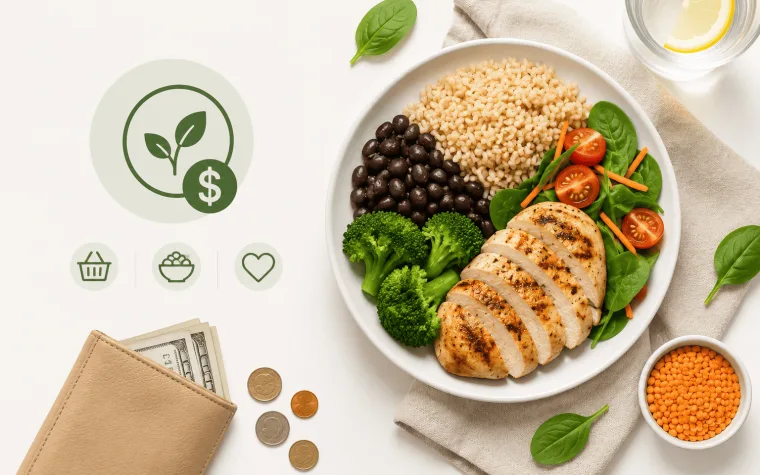
Budget-Friendly Healthy Meal Plan: Eat Well Without Spending More Meal Prep
Jun 30, 2026 6 min read

Budget-Friendly Healthy Meal Plan: Eat Well Without Spending More

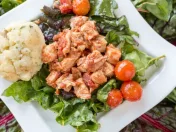
Healthy eating has a reputation for being expensive.Spend a few minutes scrolling through social media and you'll see smoothie bowls topped with exotic berries, imported superfoods, premium protein powders, and meals that look like they belong in a high-end café. It's easy to come away thinking that eating healthy requires a much bigger grocery budget.Then reality hits.You're standing in the supermarket comparing prices, trying to stick to a budget while also making healthier choices. Suddenly, those picture-perfect meals don't seem so practical anymore.Here's the good news.Eating healthy doesn't have to empty your wallet. Many of the most nutritious foods available are also some of the most affordable. Eggs, oats, beans, frozen vegetables, rice, potatoes, and chicken have been staples of healthy diets for years because they deliver excellent nutrition without a premium price tag.The secret isn't buying expensive ingredients. It's planning your meals, shopping wisely, and building your diet around simple, nutrient-dense foods.Let's look at how to create a healthy meal plan that supports your goals without stretching your budget.Can You Eat Healthy on a Budget?Absolutely.The biggest misconception is that healthy eating means buying specialty products.A package labeled "organic," "keto," "high-protein," or "superfood" often costs more than regular whole foods that provide similar nutritional value.Think about two breakfast options.The first is a colorful protein granola marketed as a fitness food.The second is a bowl of oatmeal topped with banana and peanut butter.The second breakfast often costs significantly less while providing fiber, protein, and long-lasting energy.Healthy eating becomes much more affordable when you focus on ingredients instead of marketing.Budget-Friendly Foods That Deliver Great NutritionBuilding affordable meals starts with choosing foods that provide plenty of nutrition for their price.Affordable Protein SourcesProtein helps keep you full and supports muscle maintenance.Some of the best budget-friendly options include:EggsChicken thighs or chicken breastCanned tunaGreek yogurtCottage cheeseLentilsBeansChickpeasPeanut butterBuying larger packages when they're on sale can reduce the cost even further.Low-Cost Healthy CarbohydratesCarbohydrates provide energy and help create satisfying meals.Affordable choices include:OatsBrown riceWhite ricePotatoesSweet potatoesWhole-grain pastaWhole-grain breadThese foods store well and can be used in dozens of different meals throughout the week.Affordable Fruits and VegetablesFresh produce doesn't always have to be expensive.Frozen fruits and vegetables are often just as nutritious because they're typically frozen shortly after harvest.Good choices include:Frozen broccoliFrozen mixed vegetablesCarrotsCabbageBananasApplesOrangesSpinachBuying fruits and vegetables that are in season can also help reduce grocery costs.Healthy Fats Without the High PriceHealthy fats support overall health and help meals feel more satisfying.Budget-friendly sources include:Peanut butterSunflower seedsPumpkin seedsOlive oilAvocados when on saleA little goes a long way.Sample Budget-Friendly Healthy Meal PlanHere's an example of a full day of eating that combines affordability with balanced nutrition.BreakfastOatmeal with Banana and Peanut ButterOatsSliced bananaPeanut butterWhy it works:Oats provide fiber, bananas add natural sweetness, and peanut butter contributes healthy fats and protein.Morning SnackGreek YogurtA serving of plain Greek yogurt offers protein that helps keep hunger under control until lunch.LunchChicken Rice BowlGrilled chickenBrown riceFrozen mixed vegetablesBuying frozen vegetables helps reduce food waste while keeping costs low.Afternoon SnackApple and Peanut ButterThis simple combination provides fiber, healthy fats, and a satisfying crunch.DinnerLentil and Vegetable CurryLentilsRiceMixed vegetablesSimple spicesLentils are one of the most affordable sources of both protein and fiber.Evening SnackCottage CheeseA serving of cottage cheese provides slow-digesting protein that can help keep you satisfied.Weekly Grocery ListA simple shopping list keeps both spending and food waste under control.ProteinEggsChickenGreek yogurtCottage cheeseCanned tunaLentilsBeansCarbohydratesOatsRicePotatoesWhole-grain breadWhole-grain pastaFruitsBananasApplesOrangesVegetablesFrozen broccoliFrozen mixed vegetablesCarrotsSpinachCabbageHealthy FatsPeanut butterOlive oilMixed seedsMost of these ingredients can be used in multiple meals, reducing waste while saving money.Smart Ways to Save Money on GroceriesHealthy eating becomes much easier when you shop with a plan.Buy in BulkStaples such as rice, oats, beans, and frozen vegetables often cost less when purchased in larger quantities.Choose Store BrandsMany store-brand products contain the same ingredients as national brands but cost significantly less.Plan Meals Before ShoppingShopping without a plan often leads to unnecessary purchases.Writing a weekly meal plan helps you buy only what you'll actually use.Cook Larger PortionsPreparing larger batches saves both time and money.Leftovers can become tomorrow's lunch instead of another restaurant meal.Limit Processed Convenience FoodsPre-cut fruit, packaged snack packs, and ready-made meals usually cost much more than preparing food yourself.A little preparation can lead to noticeable savings over time.Common Budget Meal Planning MistakesBuying Food Without a PlanImpulse purchases are one of the biggest reasons grocery bills increase.Throwing Away LeftoversFood waste is wasted money.Try using leftover chicken in salads, wraps, or rice bowls the next day.Assuming Frozen Means Less HealthyFrozen vegetables often contain the same nutrients as fresh ones while lasting much longer.Shopping While HungryMany people buy more processed snacks when they grocery shop on an empty stomach.Eating before shopping can help reduce impulse buying.Healthy Eating Doesn't Have to Be PerfectOne of the biggest myths about healthy eating is that every meal has to look perfect.Real life rarely works that way.Some days you'll cook from scratch.Other days you'll rely on leftovers.There may even be nights when scrambled eggs and toast are the easiest option.That's perfectly fine.Healthy eating is built through consistency, not perfection.Final ThoughtsA healthy diet doesn't require expensive ingredients or trendy health products.Some of the most nutritious foods are also among the most affordable. Oats, eggs, rice, beans, lentils, frozen vegetables, potatoes, and chicken can form the foundation of meals that support your health without putting pressure on your budget.The most successful meal plans are usually the simplest ones.Plan your meals before shopping. Buy versatile ingredients. Cook at home more often. Use leftovers wisely.Small habits like these can lower your grocery bill while helping you build a healthier way of eating that you can actually maintain.Eating well isn't about spending more.It's about making smarter choices with the money you're already spending.

30 High Protein Foods for Muscle Growth Meal Prep
Jun 30, 2026 5 min read

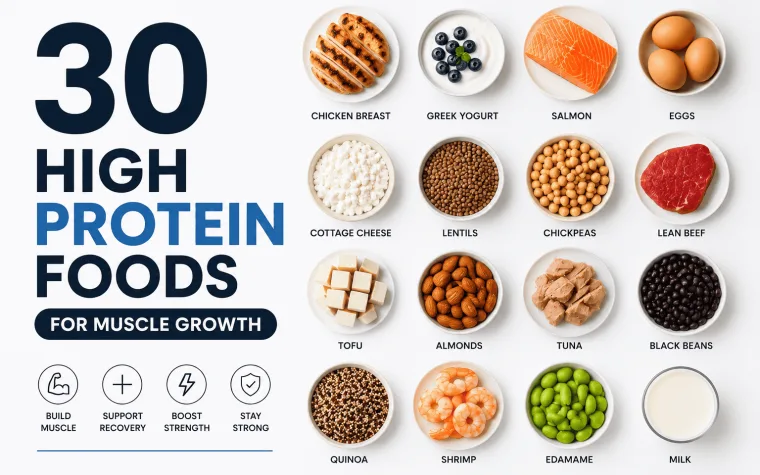
30 High Protein Foods for Muscle Growth

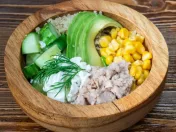
Walk into any gym and you'll probably hear someone talking about protein.One person is drinking a protein shake after finishing a workout. Another is eating chicken and rice from a meal prep container. Someone else is debating whether eggs or Greek yogurt make a better breakfast.It's easy to see why protein gets so much attention.Muscles don't grow just because you lift weights. Training creates the stimulus, but nutrition provides the building blocks your body needs to repair and build stronger muscle tissue. Without enough protein, even the best workout program can produce disappointing results.The good news is that hitting your daily protein target doesn't mean eating plain chicken every day. There are dozens of excellent protein sources that fit different budgets, tastes, and lifestyles.Here are 30 high-protein foods that can help support muscle growth.Why Protein Is Important for Muscle GrowthEvery strength workout creates tiny tears in your muscle fibers.Your body repairs those fibers during recovery, making them stronger than before. Protein supplies the amino acids needed for this repair process.Protein also helps:Build lean muscle massSupport workout recoveryReduce muscle breakdownIncrease fullness after mealsMaintain muscle during fat lossMost active people aiming to build muscle benefit from consuming protein throughout the day instead of eating most of it in one meal.Animal-Based High Protein Foods1. Chicken BreastApproximate protein: 31g per 100gChicken breast remains one of the most popular muscle-building foods because it's lean, affordable, and versatile.2. Turkey BreastApproximate protein: 30g per 100gTurkey provides high-quality protein while remaining relatively low in fat.3. Lean BeefApproximate protein: 26g per 100gLean beef supplies protein along with iron, zinc, and vitamin B12.4. SalmonApproximate protein: 25g per 100gBesides protein, salmon provides omega-3 fatty acids that support overall health.5. TunaApproximate protein: 29g per 100gCanned tuna is convenient, inexpensive, and easy to add to salads or sandwiches.6. ShrimpApproximate protein: 24g per 100gShrimp is naturally low in calories while providing plenty of protein.7. CodApproximate protein: 23g per 100gCod is a mild-flavored white fish that works well for high-protein meals.8. SardinesApproximate protein: 25g per 100gThese small fish are rich in protein, healthy fats, and calcium.9. EggsApproximate protein: 6g per large eggEggs contain all nine essential amino acids, making them a complete protein source.10. Egg WhitesApproximate protein: 11g per 100gEgg whites provide nearly pure protein with very little fat.Dairy Protein Sources11. Greek YogurtApproximate protein: 17 to 20g per servingGreek yogurt works well for breakfast or as a post-workout snack.12. Cottage CheeseApproximate protein: 28g per cupIt's rich in casein protein, which digests slowly and provides a steady supply of amino acids.13. MilkApproximate protein: 8g per cupMilk contains both whey and casein protein.14. Parmesan CheeseApproximate protein: 10g per ounceA small amount adds plenty of protein and flavor.15. Low-Fat CheeseApproximate protein: 6 to 8g per sliceChoose lower-fat options if you're watching calorie intake.Plant-Based High Protein Foods16. LentilsApproximate protein: 18g per cooked cupLentils are rich in protein, fiber, and iron.17. ChickpeasApproximate protein: 15g per cooked cupGreat for salads, curries, or homemade hummus.18. Black BeansApproximate protein: 15g per cooked cupThey provide both protein and complex carbohydrates.19. Kidney BeansApproximate protein: 15g per cooked cupA nutritious addition to soups and chili.20. EdamameApproximate protein: 18g per cooked cupEdamame is one of the highest-protein plant foods available.21. TofuApproximate protein: 20g per cupTofu absorbs flavors well and works in many different recipes.22. TempehApproximate protein: 30g per cupTempeh contains even more protein than tofu and has a firmer texture.23. QuinoaApproximate protein: 8g per cooked cupUnlike many grains, quinoa contains all essential amino acids.24. Pumpkin SeedsApproximate protein: 9g per ounceThese seeds also provide magnesium, which supports muscle function.25. PeanutsApproximate protein: 7g per ouncePeanuts make an easy, portable snack between meals.Convenient High Protein Options26. Whey Protein PowderApproximate protein: 20 to 30g per scoopIdeal when you need a quick source of protein after training.27. Protein BarsApproximate protein: 15 to 25g eachLook for options with lower added sugar and recognizable ingredients.28. Beef JerkyApproximate protein: 10 to 15g per ounceA convenient travel-friendly snack.29. Canned ChickenApproximate protein: 20g per servingPerfect for quick lunches or meal prep.30. Protein PastaApproximate protein: 18 to 20g per servingMade from chickpeas, lentils, or other legumes, protein pasta contains significantly more protein than traditional pasta.How Much Protein Do You Need?Your ideal protein intake depends on your body weight and activity level.For muscle growth, many active adults aim for approximately 1.6 to 2.2 grams of protein per kilogram of body weight each day.For example:60 kg: 96 to 132g70 kg: 112 to 154g80 kg: 128 to 176g90 kg: 144 to 198gInstead of eating all your protein at dinner, try spreading it across three to five meals throughout the day.Sample High-Protein DayBreakfastGreek yogurt with berries and chia seedsProtein: 25gSnackProtein shakeProtein: 25gLunchGrilled chicken, brown rice, and vegetablesProtein: 40gSnackCottage cheese and almondsProtein: 25gDinnerSalmon with sweet potato and broccoliProtein: 40gDaily Total: Approximately 155g of proteinCommon MistakesEating Too Little ProteinMany people think they're eating enough protein until they actually track it for a few days.Depending Only on SupplementsProtein powder is helpful, but most of your protein should come from whole foods.Ignoring Overall NutritionProtein matters, but so do carbohydrates, healthy fats, vitamins, minerals, sleep, and consistent training.Skipping MealsMissing meals can make it difficult to reach your daily protein target.Final ThoughtsBuilding muscle isn't about finding one magical food.It's about consistently eating enough high-quality protein while following a well-designed strength training program.Chicken, eggs, Greek yogurt, salmon, lentils, tofu, cottage cheese, lean beef, and dozens of other foods can all help you reach your protein goals.Instead of trying to eat perfectly every day, focus on making protein a regular part of every meal.Those small choices add up.Over weeks and months, they provide your body with the nutrients it needs to recover, grow stronger, and support long-term muscle development.

10 Spuerfoods You Should Add to Your Diet Today Meal Prep
Jun 7, 2026 6 min read

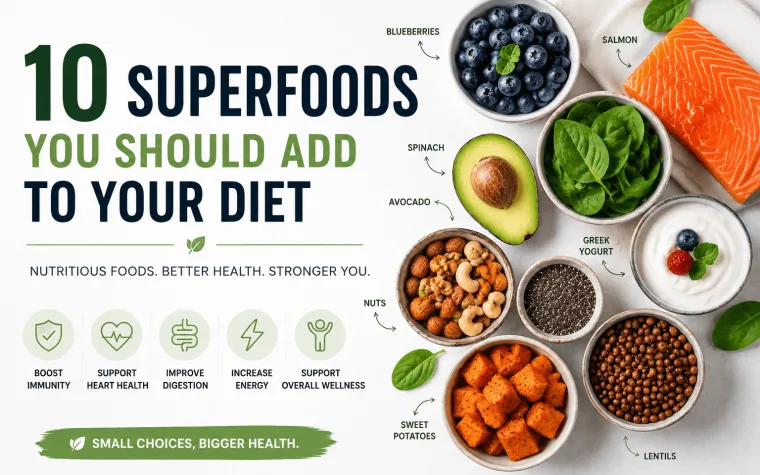
10 Spuerfoods You Should Add to Your Diet Today

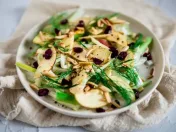
Walk through any grocery store and you'll see the word "superfood" everywhere.It's printed on smoothie mixes, protein bars, snack packs, and even bottled drinks. The term has become so common that many people aren't sure what it actually means anymore.Some assume superfoods are exotic ingredients that cost a fortune. Others think they're marketing buzzwords designed to sell expensive health products.The truth sits somewhere in the middle.There isn't an official scientific definition of a superfood. Generally, the term refers to foods that provide a high concentration of nutrients relative to their calories. These foods are often rich in vitamins, minerals, antioxidants, healthy fats, fiber, or other compounds that support overall health.The good news is that many genuine superfoods are affordable, widely available, and easy to incorporate into your daily meals.Let's look at some of the best superfoods you can add to your diet and why they deserve a place on your plate.What Makes a Food a Superfood?A superfood isn't magical.No single food can prevent every disease, burn fat overnight, or instantly improve your health.What separates superfoods from ordinary foods is their nutritional density.For example, compare a sugary snack with a bowl of blueberries.Both provide calories, but blueberries also deliver fiber, antioxidants, vitamins, and plant compounds that support health in multiple ways.The goal isn't to find one miracle food.It's to regularly include nutrient-rich foods that help your body perform at its best.1. BlueberriesBlueberries consistently appear on lists of the healthiest foods in the world.Despite their small size, they're packed with nutrients and antioxidants.Antioxidants help protect cells from damage caused by free radicals, which are unstable molecules produced naturally in the body.Benefits of BlueberriesRich in antioxidantsGood source of fiberContains vitamin CSupports overall healthEasy Ways to Eat ThemAdd them to oatmealMix them into Greek yogurtBlend them into smoothiesEat them as a snackA handful of blueberries can add flavor, color, and nutrition to almost any meal.2. SalmonSalmon is one of the best sources of omega-3 fatty acids.These healthy fats support heart health, brain function, and overall wellness.Many people consume too many processed fats while missing out on omega-3-rich foods.Adding salmon to your meal plan a few times each week can help balance that equation.Benefits of SalmonHigh-quality proteinOmega-3 fatty acidsVitamin DB vitaminsMeal IdeasGrilled salmon with vegetablesSalmon saladBaked salmon with sweet potatoesSalmon provides a combination of protein and healthy fats that makes it both nutritious and satisfying.3. EggsEggs have experienced one of the biggest reputation comebacks in nutrition.For years, many people avoided them because of concerns about cholesterol.Today, eggs are recognized as one of the most nutrient-dense foods available.Benefits of EggsComplete protein sourceRich in vitamins and mineralsContains choline, which supports brain healthHighly affordableSimple Ways to Use EggsScrambled eggsOmeletsHard-boiled snacksEgg-based breakfast bowlsThey're versatile, convenient, and fit into nearly any eating style.4. SpinachSpinach is one of those foods that nutrition experts rarely stop recommending.And for good reason.It's loaded with vitamins, minerals, antioxidants, and fiber while remaining very low in calories.Benefits of SpinachVitamin AVitamin CVitamin KIronFolateEasy AdditionsSmoothiesSaladsStir-friesOmeletsEven a handful added to a smoothie can increase nutrient intake without dramatically changing flavor.5. Greek YogurtGreek yogurt offers a combination many people struggle to get enough of: protein and probiotics.Protein helps support muscle maintenance and satiety. Probiotics help support digestive health.Benefits of Greek YogurtHigh in proteinContains probioticsRich in calciumConvenient snack optionServing IdeasWith berriesMixed with nutsAdded to smoothiesUsed as a healthy toppingMany people find Greek yogurt keeps them fuller much longer than sugary breakfast cereals.6. AvocadosAvocados are unique because they provide healthy fats rather than large amounts of carbohydrates.They are rich in monounsaturated fats, which support heart health and help create satisfying meals.Benefits of AvocadosHealthy fatsFiberPotassiumVarious vitaminsWays to Eat ThemOn toastIn saladsAdded to sandwichesBlended into smoothiesA little avocado can improve both the taste and nutritional profile of a meal.7. Chia SeedsChia seeds may be tiny, but they're incredibly nutrient-dense.These seeds absorb liquid and form a gel-like texture, making them popular in puddings and smoothies.Benefits of Chia SeedsFiberOmega-3 fatty acidsProteinAntioxidantsEasy UsesStir into oatmealAdd to smoothiesMix into yogurtMake chia puddingJust one or two tablespoons can add a surprising amount of nutrition.8. NutsAlmonds, walnuts, pistachios, and other nuts provide healthy fats, protein, and important nutrients.They're also one of the easiest healthy snacks available.Benefits of NutsHeart-healthy fatsProteinFiberMagnesiumSmart Snacking TipKeep a small container of mixed nuts available during busy days.Many people find they're less tempted by processed snacks when healthier options are easily accessible.9. Sweet PotatoesSweet potatoes offer a nutrient-rich alternative to highly processed carbohydrate sources.They're naturally sweet, satisfying, and packed with vitamins.Benefits of Sweet PotatoesVitamin AFiberPotassiumComplex carbohydratesMeal IdeasBaked sweet potatoesSweet potato friesMashed sweet potatoesBreakfast bowlsThey're especially popular among active individuals because they provide long-lasting energy.10. LentilsLentils often receive less attention than trendy health foods, but they deserve much more recognition.They're affordable, versatile, and packed with nutrients.Benefits of LentilsPlant-based proteinFiberIronFolateEasy Ways to Add LentilsSoupsCurriesSaladsGrain bowlsFor people looking to increase plant-based protein intake, lentils are one of the best options available.How to Add More Superfoods to Your DietMany people make the mistake of trying to change everything at once.They buy ten new foods, completely overhaul their diet, and struggle to maintain the changes.A better approach is much simpler.Pick one or two superfoods and start there.For example:Week 1:Add blueberries to breakfast.Week 2:Include Greek yogurt as an afternoon snack.Week 3:Replace one processed snack with mixed nuts.Small changes are easier to maintain than dramatic transformations.A Simple Superfood Meal PlanBreakfastGreek yogurt with blueberries and chia seedsMorning SnackApple and almondsLunchGrilled chicken salad with spinach and avocadoAfternoon SnackMixed nutsDinnerBaked salmon with sweet potatoes and vegetablesThis type of meal plan includes several nutrient-dense foods without feeling restrictive or complicated.Common Mistakes People MakeChasing Expensive TrendsMany excellent superfoods are inexpensive.Eggs, lentils, spinach, and oats often provide just as much value as trendy imported products.Expecting Instant ResultsSuperfoods support long-term health.They're not quick fixes.Ignoring Overall Diet QualityAdding blueberries to a diet filled with processed foods won't solve everything.The overall pattern of eating still matters most.Final ThoughtsSuperfoods aren't magic, but they can play an important role in a healthy diet.Foods like blueberries, salmon, eggs, spinach, Greek yogurt, avocados, chia seeds, nuts, sweet potatoes, and lentils provide valuable nutrients that support overall health and wellness.The biggest mistake people make is searching for one perfect food.Health is usually built through consistent habits, not single ingredients.Start small. Add one or two nutrient-dense foods to your daily routine. Build from there.Over time, those simple choices can help create a healthier, stronger, and more energized version of yourself.

Free Forever

Start Your Journey
Today.

Join thousands of others who have simplified their nutrition. Answer a few questions and receive a clinically-tuned meal plan in under 2 minutes.