Healthy eating has a reputation for being expensive.
Spend a few minutes scrolling through social media and you'll see smoothie bowls topped with exotic berries, imported superfoods, premium protein powders, and meals that look like they belong in a high-end café. It's easy to come away thinking that eating healthy requires a much bigger grocery budget.
Then reality hits.
You're standing in the supermarket comparing prices, trying to stick to a budget while also making healthier choices. Suddenly, those picture-perfect meals don't seem so practical anymore.
Here's the good news.
Eating healthy doesn't have to empty your wallet. Many of the most nutritious foods available are also some of the most affordable. Eggs, oats, beans, frozen vegetables, rice, potatoes, and chicken have been staples of healthy diets for years because they deliver excellent nutrition without a premium price tag.
The secret isn't buying expensive ingredients. It's planning your meals, shopping wisely, and building your diet around simple, nutrient-dense foods.
Let's look at how to create a healthy meal plan that supports your goals without stretching your budget.
Can You Eat Healthy on a Budget?
Absolutely.
The biggest misconception is that healthy eating means buying specialty products.
A package labeled "organic," "keto," "high-protein," or "superfood" often costs more than regular whole foods that provide similar nutritional value.
Think about two breakfast options.
The first is a colorful protein granola marketed as a fitness food.
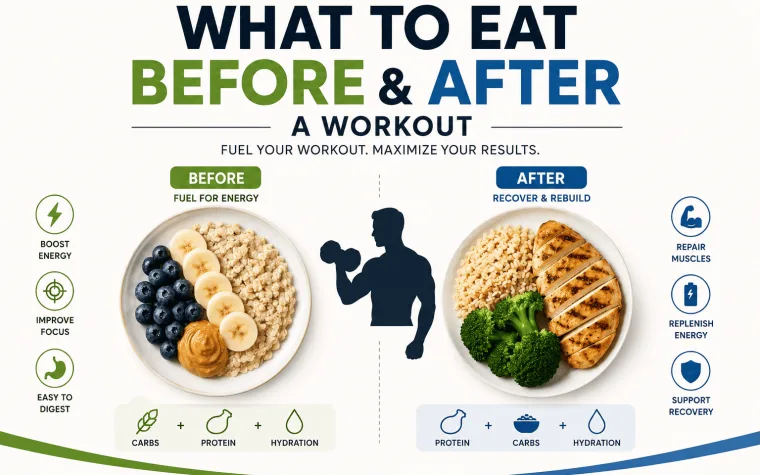
The second is a bowl of oatmeal topped with banana and peanut butter.
The second breakfast often costs significantly less while providing fiber, protein, and long-lasting energy.
Healthy eating becomes much more affordable when you focus on ingredients instead of marketing.
Budget-Friendly Foods That Deliver Great Nutrition
Building affordable meals starts with choosing foods that provide plenty of nutrition for their price.
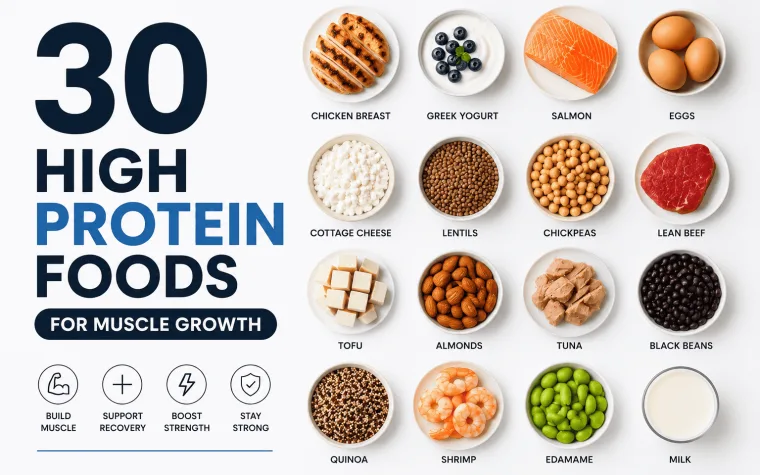
Affordable Protein Sources
Protein helps keep you full and supports muscle maintenance.
Some of the best budget-friendly options include:
- Eggs
- Chicken thighs or chicken breast
- Canned tuna
- Greek yogurt
- Cottage cheese
- Lentils
- Beans
- Chickpeas
- Peanut butter
Buying larger packages when they're on sale can reduce the cost even further.
Low-Cost Healthy Carbohydrates
Carbohydrates provide energy and help create satisfying meals.
Affordable choices include:
- Oats
- Brown rice
- White rice
- Potatoes
- Sweet potatoes
- Whole-grain pasta
- Whole-grain bread
These foods store well and can be used in dozens of different meals throughout the week.
Affordable Fruits and Vegetables
Fresh produce doesn't always have to be expensive.
Frozen fruits and vegetables are often just as nutritious because they're typically frozen shortly after harvest.
Good choices include:
- Frozen broccoli
- Frozen mixed vegetables
- Carrots
- Cabbage
- Bananas
- Apples
- Oranges
- Spinach
Buying fruits and vegetables that are in season can also help reduce grocery costs.
Healthy Fats Without the High Price
Healthy fats support overall health and help meals feel more satisfying.
Budget-friendly sources include:
- Peanut butter
- Sunflower seeds
- Pumpkin seeds
- Olive oil
- Avocados when on sale
A little goes a long way.
Sample Budget-Friendly Healthy Meal Plan
Here's an example of a full day of eating that combines affordability with balanced nutrition.
Breakfast
Oatmeal with Banana and Peanut Butter
- Oats
- Sliced banana
- Peanut butter
Why it works:
Oats provide fiber, bananas add natural sweetness, and peanut butter contributes healthy fats and protein.
Morning Snack
Greek Yogurt
A serving of plain Greek yogurt offers protein that helps keep hunger under control until lunch.
Lunch
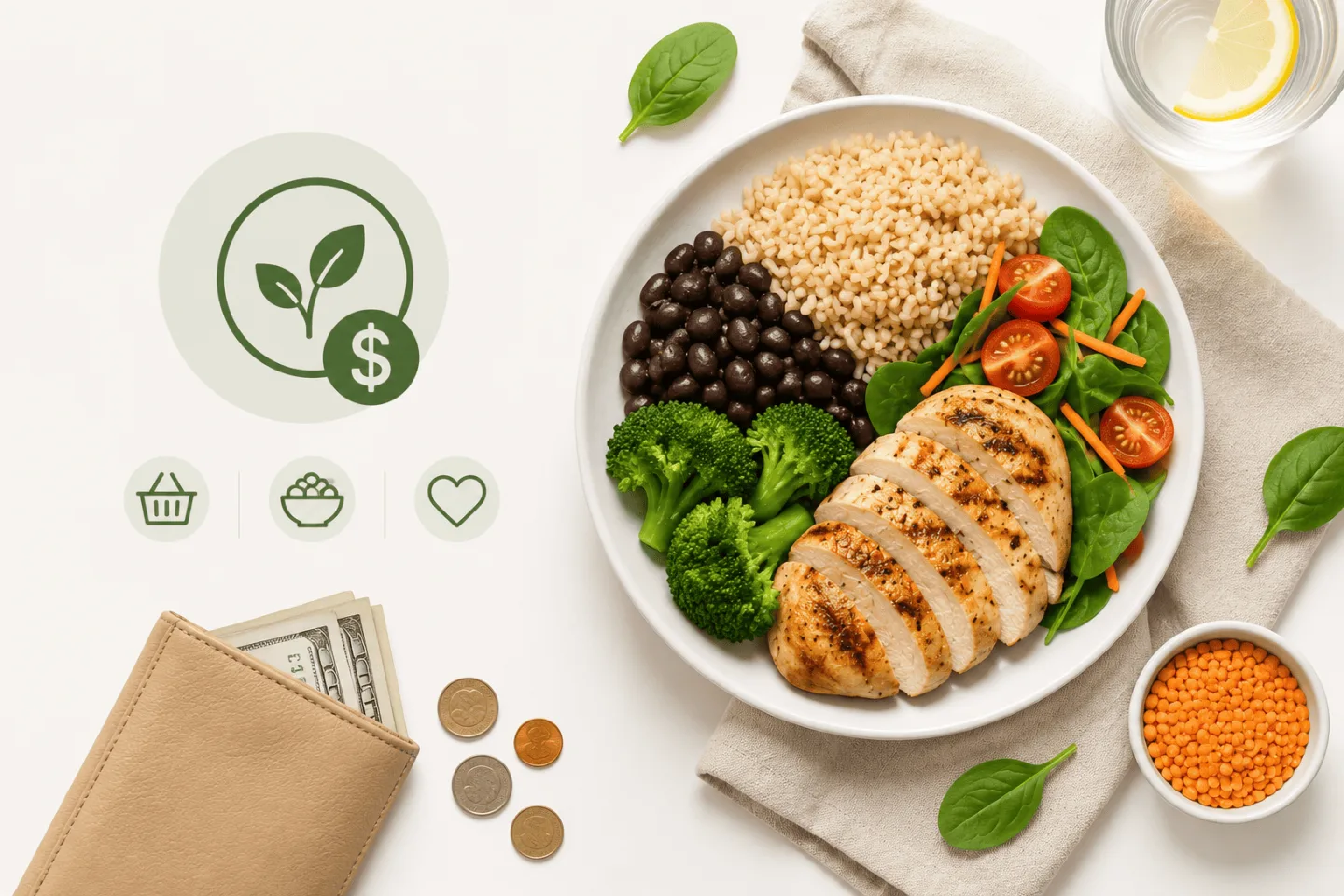
Chicken Rice Bowl
- Grilled chicken
- Brown rice
- Frozen mixed vegetables
Buying frozen vegetables helps reduce food waste while keeping costs low.
Afternoon Snack
Apple and Peanut Butter
This simple combination provides fiber, healthy fats, and a satisfying crunch.
Dinner
Lentil and Vegetable Curry
- Lentils
- Rice
- Mixed vegetables
- Simple spices
Lentils are one of the most affordable sources of both protein and fiber.
Evening Snack
Cottage Cheese
A serving of cottage cheese provides slow-digesting protein that can help keep you satisfied.
Weekly Grocery List
A simple shopping list keeps both spending and food waste under control.
Protein
- Eggs
- Chicken
- Greek yogurt
- Cottage cheese
- Canned tuna
- Lentils
- Beans
Carbohydrates
- Oats
- Rice
- Potatoes
- Whole-grain bread
- Whole-grain pasta
Fruits
- Bananas
- Apples
- Oranges
Vegetables
- Frozen broccoli
- Frozen mixed vegetables
- Carrots
- Spinach
- Cabbage
Healthy Fats
- Peanut butter
- Olive oil
- Mixed seeds
Most of these ingredients can be used in multiple meals, reducing waste while saving money.
Smart Ways to Save Money on Groceries
Healthy eating becomes much easier when you shop with a plan.
Buy in Bulk
Staples such as rice, oats, beans, and frozen vegetables often cost less when purchased in larger quantities.
Choose Store Brands
Many store-brand products contain the same ingredients as national brands but cost significantly less.
Plan Meals Before Shopping
Shopping without a plan often leads to unnecessary purchases.
Writing a weekly meal plan helps you buy only what you'll actually use.
Cook Larger Portions
Preparing larger batches saves both time and money.
Leftovers can become tomorrow's lunch instead of another restaurant meal.
Limit Processed Convenience Foods
Pre-cut fruit, packaged snack packs, and ready-made meals usually cost much more than preparing food yourself.
A little preparation can lead to noticeable savings over time.
Common Budget Meal Planning Mistakes
Buying Food Without a Plan
Impulse purchases are one of the biggest reasons grocery bills increase.
Throwing Away Leftovers
Food waste is wasted money.
Try using leftover chicken in salads, wraps, or rice bowls the next day.
Assuming Frozen Means Less Healthy
Frozen vegetables often contain the same nutrients as fresh ones while lasting much longer.
Shopping While Hungry
Many people buy more processed snacks when they grocery shop on an empty stomach.
Eating before shopping can help reduce impulse buying.
Healthy Eating Doesn't Have to Be Perfect
One of the biggest myths about healthy eating is that every meal has to look perfect.
Real life rarely works that way.
Some days you'll cook from scratch.
Other days you'll rely on leftovers.
There may even be nights when scrambled eggs and toast are the easiest option.
That's perfectly fine.
Healthy eating is built through consistency, not perfection.
Final Thoughts
A healthy diet doesn't require expensive ingredients or trendy health products.
Some of the most nutritious foods are also among the most affordable. Oats, eggs, rice, beans, lentils, frozen vegetables, potatoes, and chicken can form the foundation of meals that support your health without putting pressure on your budget.
The most successful meal plans are usually the simplest ones.
Plan your meals before shopping. Buy versatile ingredients. Cook at home more often. Use leftovers wisely.
Small habits like these can lower your grocery bill while helping you build a healthier way of eating that you can actually maintain.
Eating well isn't about spending more.
It's about making smarter choices with the money you're already spending.