A routine blood test surprises more people than you'd think.
You feel fine. You exercise a few times a week. You don't eat fast food every day. Then your doctor reviews your results and points to a number that's higher than expected: cholesterol.
For many people, that moment triggers an immediate search for solutions. Some start looking at medications. Others begin wondering if they need to completely overhaul their diet overnight.
The good news is that small dietary changes can have a meaningful impact on cholesterol levels over time.
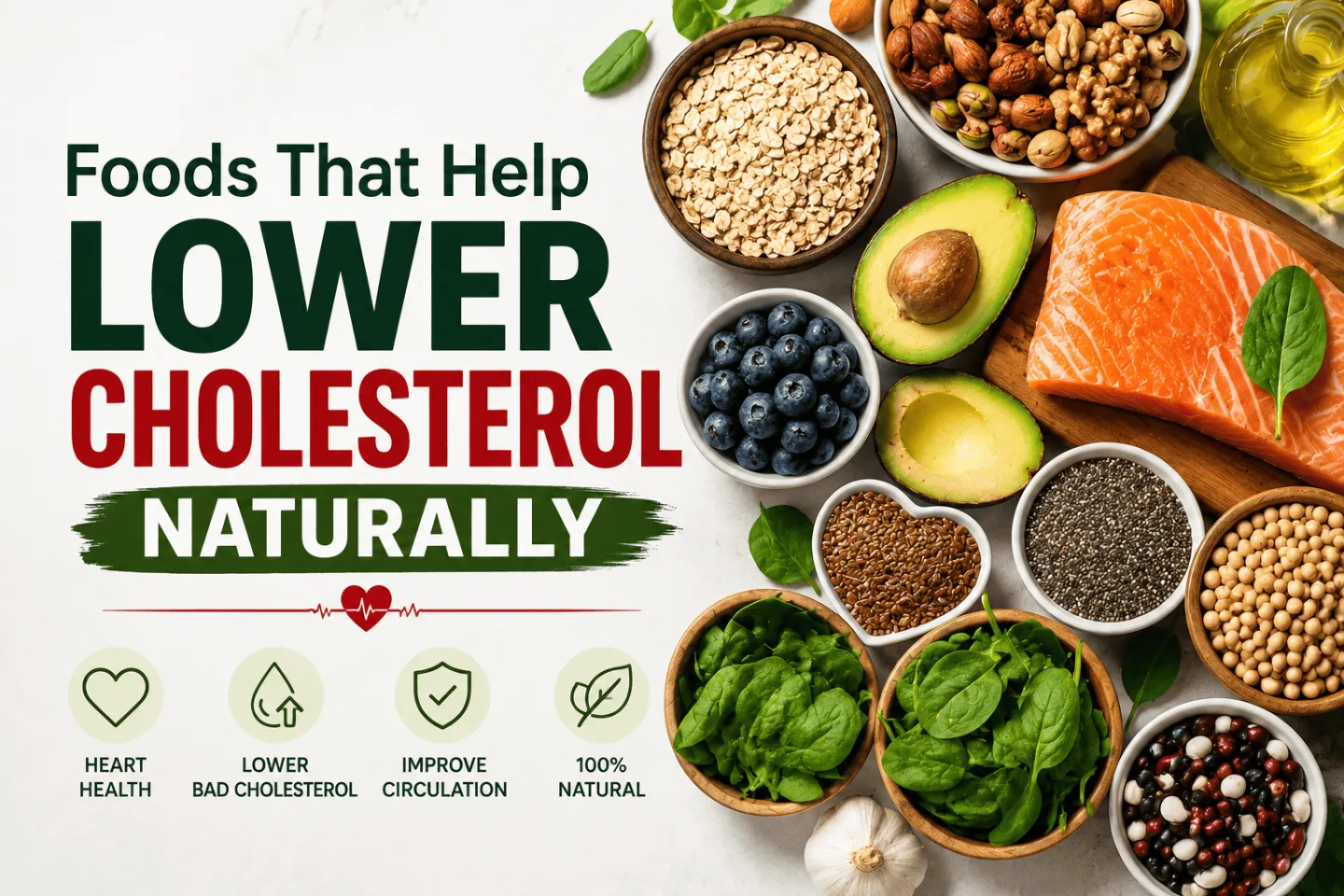
The food you eat every day influences how much cholesterol your body absorbs, produces, and removes. Certain foods can help lower LDL cholesterol, often called "bad" cholesterol, while supporting heart health at the same time.
Let's look at some of the best foods that help lower cholesterol naturally and how you can include them in your daily routine.
Understanding Cholesterol
Before discussing specific foods, it helps to understand what cholesterol actually is.
Cholesterol is a waxy substance found in your blood. Your body needs it to build cells, produce hormones, and perform other important functions.
The problem occurs when LDL cholesterol becomes too high.
Excess LDL cholesterol can accumulate inside arteries, increasing the risk of heart disease and stroke over time.
HDL cholesterol, often called "good" cholesterol, helps remove excess cholesterol from the bloodstream and transport it back to the liver.
The goal isn't to eliminate cholesterol entirely. It's to maintain a healthy balance.
Fortunately, your grocery cart can play a bigger role than many people realize.
1. Oats and Whole Grains
A bowl of oatmeal might seem simple, but it's one of the most effective foods for supporting healthy cholesterol levels.
Oats contain a type of soluble fiber called beta-glucan. This fiber forms a gel-like substance in the digestive system that helps reduce cholesterol absorption.
Many people start their day with sugary cereals that provide little lasting satisfaction. Replacing those cereals with oatmeal can be a small change that delivers long-term benefits.
Easy Ways to Eat More Oats
- Oatmeal for breakfast
- Overnight oats
- Homemade oat muffins
- Oat-based smoothies
Whole grains such as barley and whole wheat also contain beneficial fiber that supports heart health.
2. Beans and Lentils
Beans are often overlooked because they aren't considered trendy health foods.
That's unfortunate because they provide an impressive combination of fiber, protein, and nutrients.
Black beans, kidney beans, chickpeas, and lentils contain soluble fiber that helps reduce LDL cholesterol levels naturally.
One reason beans work so well is that they help keep you full longer. People who feel satisfied after meals are less likely to rely on processed snacks that may contain unhealthy fats.
Simple Meal Ideas
- Lentil soup
- Chickpea salad
- Black bean tacos
- Bean-based stews
Adding beans to meals just a few times each week can significantly increase fiber intake.
3. Fatty Fish
Not all fats are bad.
In fact, some fats can help improve heart health.
Fatty fish such as salmon, sardines, trout, and mackerel contain omega-3 fatty acids. These healthy fats support cardiovascular health and may help reduce triglyceride levels.
Imagine replacing a processed fast-food lunch with grilled salmon, vegetables, and brown rice a few times each week.
That single habit can improve the quality of your diet while providing nutrients that support healthy cholesterol levels.
Best Fish Choices
- Salmon
- Sardines
- Mackerel
- Trout
- Herring
Aim to include fatty fish in your meals at least two times per week whenever possible.
4. Nuts
Nuts are small, convenient, and packed with nutrients.
Almonds, walnuts, pistachios, and pecans contain healthy fats, fiber, and plant compounds that support heart health.
One interesting benefit of nuts is that they often replace less healthy snack options.
Someone who chooses a handful of almonds instead of a bag of chips is not only adding beneficial nutrients but also reducing their intake of unhealthy fats and refined carbohydrates.
Portion Matters
Nuts are calorie-dense, so moderation is important.
A small handful is usually enough to provide benefits without adding excessive calories.
5. Avocados
Avocados have become a staple in many healthy eating plans, and for good reason.
They provide monounsaturated fats, which can help improve cholesterol profiles when used to replace saturated fats.
Consider two lunch options.
One sandwich is loaded with processed spreads and fatty meats.
The other includes lean protein, vegetables, and slices of avocado.
The second meal delivers healthier fats and a wider range of nutrients that support cardiovascular health.
Easy Ways to Add Avocados
- On whole-grain toast
- In salads
- Added to sandwiches
- Blended into smoothies
A little avocado can go a long way toward improving both flavor and nutrition.
6. Fruits Rich in Soluble Fiber
Some fruits do more than satisfy a sweet craving.
Apples, pears, oranges, and berries contain soluble fiber that helps reduce cholesterol absorption.
The fiber in these fruits supports digestive health while contributing to better cholesterol management.
An apple as an afternoon snack may not seem exciting, but these simple habits often produce meaningful results when repeated consistently.
Excellent Fruit Choices
- Apples
- Pears
- Oranges
- Strawberries
- Blueberries
- Raspberries
Fresh fruit also provides antioxidants that support overall health.
7. Vegetables
Vegetables deserve a place on nearly every list related to better health.
Leafy greens, broccoli, carrots, Brussels sprouts, and other vegetables provide fiber, antioxidants, and nutrients that support heart health.
People often focus on what they need to remove from their diet. A more effective strategy is often focusing on what to add.
Adding more vegetables naturally leaves less room for heavily processed foods that may contribute to poor cholesterol levels.
Practical Tip
Fill half your plate with vegetables at lunch and dinner.
This simple habit can dramatically improve overall diet quality.
8. Olive Oil
Olive oil is a cornerstone of Mediterranean-style eating.
Instead of relying on butter or heavily processed oils, many people choose extra virgin olive oil as their primary cooking fat.
The monounsaturated fats found in olive oil can help support healthy cholesterol levels while adding flavor to meals.
Easy Uses
- Salad dressings
- Roasted vegetables
- Marinades
- Light cooking
Small substitutions often create meaningful improvements over time.
9. Soy Foods
Soy-based foods provide plant protein that may help improve cholesterol levels when used as a replacement for higher-fat animal products.
Examples include:
- Tofu
- Edamame
- Soy milk
- Tempeh
Someone replacing a processed meat-based meal with tofu and vegetables a few times per week can improve both nutrient intake and heart health.
The key is focusing on minimally processed soy products whenever possible.
Foods That May Raise Cholesterol
Knowing what to eat is important.
Knowing what to limit matters too.
Some foods can contribute to higher LDL cholesterol levels, particularly when consumed frequently.
These include:
- Processed meats
- Deep-fried foods
- Commercial baked goods
- Foods high in trans fats
- Excessive amounts of saturated fat
- Highly processed snack foods
This doesn't mean you can never enjoy them again.
The goal is moderation rather than perfection.
A Simple One-Day Cholesterol-Friendly Meal Plan
Breakfast
Oatmeal topped with blueberries and walnuts
Morning Snack
Apple and a handful of almonds
Lunch
Grilled chicken salad with olive oil dressing
Afternoon Snack
Greek yogurt with berries
Dinner
Baked salmon, brown rice, and steamed broccoli
Evening Option
Pear slices or fresh fruit
This type of meal plan provides fiber, protein, healthy fats, and nutrients that support healthy cholesterol levels.
Lifestyle Habits That Support Healthy Cholesterol
Food is important, but it isn't the entire picture.
Several lifestyle habits can also help improve cholesterol levels naturally.
Stay Physically Active
Regular exercise can help raise HDL cholesterol while supporting overall cardiovascular health.
Maintain a Healthy Weight
Even modest weight loss can improve cholesterol numbers in many individuals.
Stop Smoking
Smoking negatively affects blood vessels and cholesterol balance.
Manage Stress
Chronic stress can influence eating habits and overall heart health.
Small improvements in several areas often produce better results than trying to perfect one area.
Final Thoughts
Lowering cholesterol naturally isn't about following a strict diet for a few weeks.
It's about building eating habits that support heart health for years to come.
Foods such as oats, beans, fatty fish, nuts, avocados, fruits, vegetables, olive oil, and soy products provide nutrients that can help improve cholesterol levels while supporting overall wellness.
The most effective approach isn't usually a dramatic transformation. It's choosing healthier foods consistently, meal after meal, week after week.
A bowl of oatmeal in the morning. An apple instead of a processed snack. Salmon instead of fast food.
These decisions may seem small on their own.
Over time, they can make a meaningful difference for your heart, your health, and your future.