Building a healthier and stronger body does not require complicated diets, expensive supplements, or extreme restrictions. What matters most is consistency. The foods you eat every day provide the fuel your body needs to build muscle, recover from workouts, support your immune system, and maintain steady energy levels.
The challenge is that there is no single meal plan that works for everyone. A busy office worker has different nutritional needs than a gym enthusiast, and someone trying to lose weight requires a different approach than someone trying to gain muscle.
That is why understanding different meal plan styles can be so valuable. Whether your goal is fat loss, muscle growth, improved athletic performance, or simply better overall health, the right meal plan can make the journey much easier.
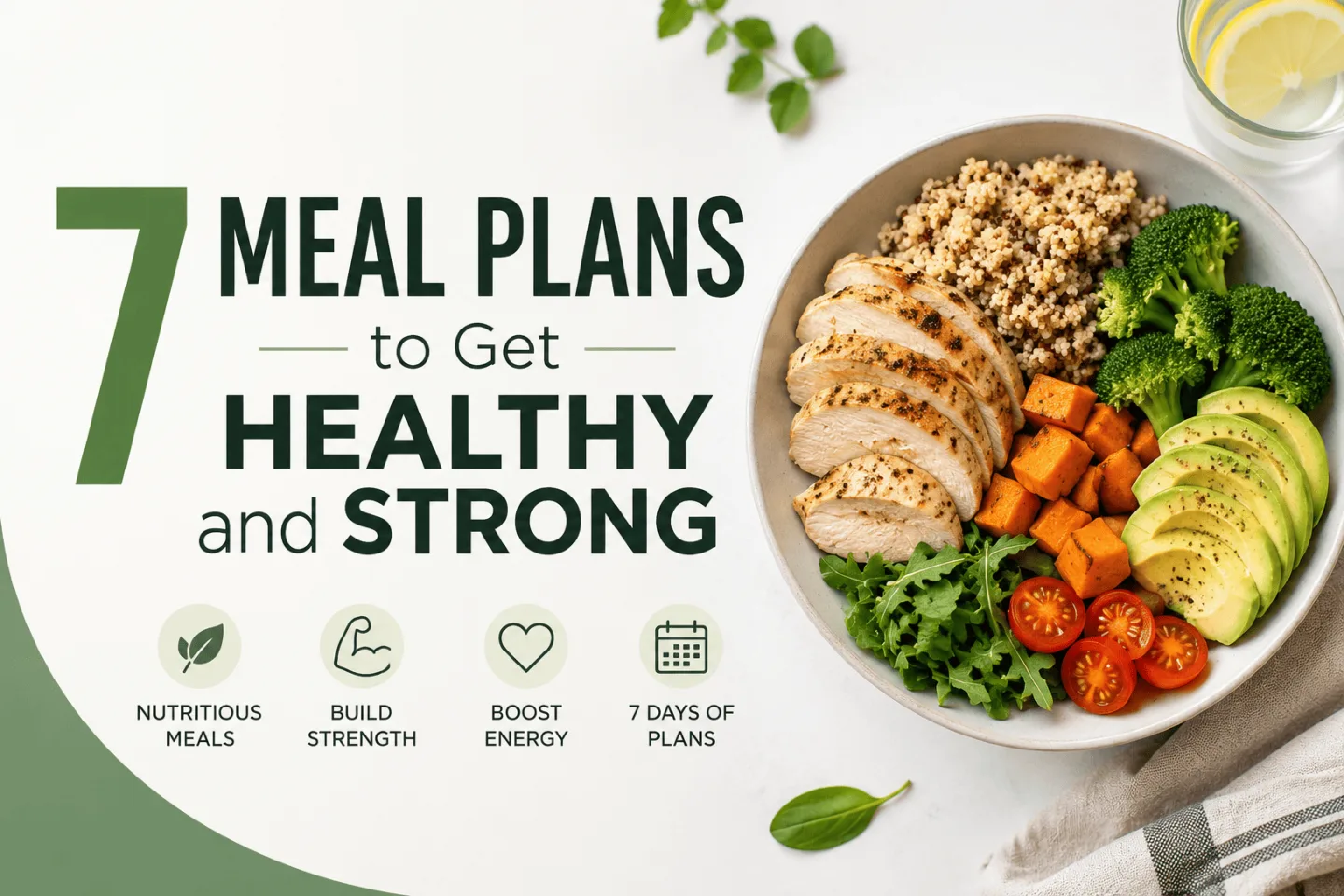
In this guide, we'll explore seven effective meal plans that can help you become healthier, stronger, and more energized.
1. The Balanced Nutrition Meal Plan
If you're looking for a sustainable way to improve your health, this is often the best place to start.
A balanced nutrition meal plan focuses on consuming all major food groups in appropriate proportions. Instead of eliminating carbs or avoiding fats, it emphasizes moderation and variety.
Sample Daily Menu
Breakfast
- Oatmeal topped with berries and almonds
- Greek yogurt
- Green tea
Lunch
- Grilled chicken breast
- Brown rice
- Mixed vegetables
Snack
- Apple with peanut butter
Dinner
- Salmon
- Sweet potato
- Steamed broccoli
Why It Works
This approach provides a healthy mix of protein, carbohydrates, healthy fats, vitamins, and minerals. It supports muscle recovery, stable energy levels, and long-term health without making eating feel restrictive.
Best For
- Beginners
- Families
- People seeking long-term healthy habits
2. High Protein Meal Plan for Muscle Growth
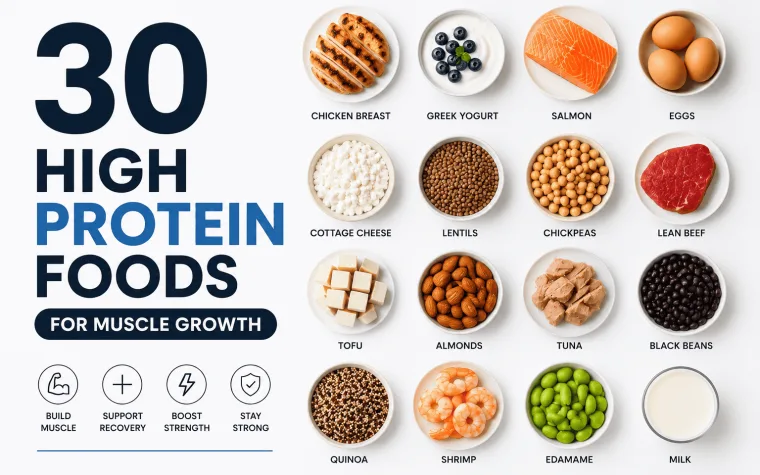
Protein is essential for building and repairing muscle tissue. If strength and muscle development are your primary goals, increasing protein intake can be highly beneficial.
A high-protein meal plan prioritizes lean protein sources throughout the day while still including quality carbohydrates and healthy fats.
Sample Daily Menu
Breakfast
- Scrambled eggs
- Whole-grain toast
- Cottage cheese
Lunch
- Turkey breast sandwich
- Mixed salad
Snack
- Protein shake
- Banana
Dinner
- Lean beef steak
- Brown rice
- Asparagus
Why It Works
Protein helps stimulate muscle protein synthesis, which is the process responsible for muscle growth and recovery. Consuming protein consistently throughout the day helps maximize these benefits.
Best For
- Gym-goers
- Strength athletes
- Individuals looking to gain lean muscle
3. Mediterranean Meal Plan
The Mediterranean diet has consistently ranked among the healthiest eating patterns in the world.
Inspired by traditional eating habits found in countries surrounding the Mediterranean Sea, this meal plan emphasizes whole foods, healthy fats, vegetables, fruits, and seafood.
Sample Daily Menu
Breakfast
- Greek yogurt
- Fresh fruit
- Walnuts
Lunch
- Grilled fish
- Quinoa salad
- Olive oil dressing
Snack
- Hummus with vegetables
Dinner
- Chicken breast
- Roasted vegetables
- Whole-grain bread
Why It Works
The Mediterranean approach is rich in heart-healthy fats, antioxidants, and fiber. Research has linked it to lower rates of cardiovascular disease, improved metabolic health, and increased longevity.
Best For
- Heart health
- Sustainable healthy eating
- Overall wellness
4. Weight Loss Meal Plan
Losing weight does not mean starving yourself. A smart weight-loss meal plan focuses on creating a moderate calorie deficit while still providing adequate nutrition.
The goal is to stay full, maintain muscle mass, and avoid energy crashes.
Sample Daily Menu
Breakfast
- Vegetable omelet
- Black coffee
Lunch
- Grilled chicken salad
- Light vinaigrette dressing
Snack
- Greek yogurt
Dinner
- Baked fish
- Mixed vegetables
Why It Works
High-protein foods and fiber-rich vegetables help control hunger while reducing overall calorie intake. This makes it easier to maintain a calorie deficit without constantly feeling deprived.
Best For
- Fat loss
- Improving body composition
- Individuals wanting healthier eating habits
5. Athletic Performance Meal Plan
Athletes and highly active individuals often need additional carbohydrates to fuel training sessions and support recovery.
This meal plan prioritizes nutrient timing and adequate calorie intake to maximize performance.
Sample Daily Menu
Breakfast
- Oatmeal
- Banana
- Eggs
Lunch
- Grilled chicken
- Rice
- Vegetables
Pre-Workout Snack
- Banana
- Peanut butter
Post-Workout Meal
- Protein shake
- Fruit
Dinner
- Salmon
- Potatoes
- Green beans
Why It Works
Carbohydrates replenish glycogen stores, while protein supports muscle repair. Together, they help improve endurance, strength, and recovery.
Best For
- Athletes
- Runners
- Sports enthusiasts
- High-intensity trainers
6. Plant-Based Meal Plan
Plant-based eating has gained popularity for good reason. When properly planned, it can provide all the nutrients needed to support health and strength.
A plant-based meal plan focuses primarily on foods derived from plants, including legumes, vegetables, fruits, nuts, seeds, and whole grains.
Sample Daily Menu
Breakfast
- Overnight oats
- Chia seeds
- Berries
Lunch
- Lentil bowl
- Brown rice
- Mixed vegetables
Snack
- Mixed nuts
- Fresh fruit
Dinner
- Tofu stir-fry
- Quinoa
- Vegetables
Why It Works
Plant foods are naturally rich in fiber, vitamins, minerals, and antioxidants. They can support healthy digestion, cardiovascular health, and weight management.
Best For
- Vegetarians
- Vegans
- Environmentally conscious individuals
7. Clean Eating Meal Plan
Clean eating focuses on consuming foods in their most natural and minimally processed forms.
Instead of counting every calorie, the emphasis is placed on food quality.
Sample Daily Menu
Breakfast
- Eggs
- Avocado
- Whole-grain toast
Lunch
- Grilled chicken
- Sweet potato
- Vegetables
Snack
- Fresh fruit
- Almonds
Dinner
- Baked salmon
- Brown rice
- Green vegetables
Why It Works
Reducing processed foods often leads to better nutrient intake, improved energy levels, and healthier eating habits. Many people find they naturally consume fewer calories when focusing on whole foods.
Best For
- General health improvement
- Reducing processed food consumption
- Building long-term healthy habits
How to Choose the Right Meal Plan
The best meal plan is not necessarily the most popular one. It is the one you can follow consistently.
Ask yourself these questions:
- Is my goal weight loss, muscle gain, or overall health?
- Can I realistically prepare these meals each week?
- Do I enjoy the foods included in the plan?
- Does this approach fit my lifestyle?
A meal plan that looks perfect on paper but feels impossible to maintain will rarely deliver long-term results.
Common Mistakes to Avoid
Many people make nutrition harder than it needs to be. Watch out for these common mistakes:
Skipping Meals
Skipping meals can lead to excessive hunger and poor food choices later in the day.
Not Eating Enough Protein
Protein supports muscle maintenance, recovery, and satiety.
Following Extreme Diets
Highly restrictive diets are often difficult to sustain and can increase the risk of nutritional deficiencies.
Ignoring Hydration
Water plays a critical role in digestion, recovery, energy production, and overall health.
Expecting Instant Results
Healthy and lasting progress takes time. Focus on consistent habits rather than quick fixes.
Final Thoughts
Getting healthy and strong starts with what you put on your plate every day. While there is no universal meal plan that works for everyone, there are proven approaches that can help you reach your goals faster and more sustainably.
Whether you choose a balanced nutrition plan, a high-protein approach, Mediterranean eating, weight-loss focused meals, athletic fueling, plant-based nutrition, or clean eating, the key is consistency.
Small improvements repeated daily can create remarkable results over time. Start with a meal plan that fits your goals, lifestyle, and preferences, then make gradual adjustments as you learn what works best for your body.
The healthiest diet is not the one you follow perfectly for two weeks. It is the one you can enjoy and maintain for years.